
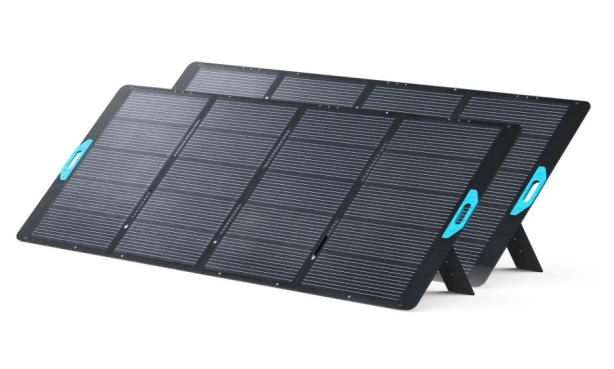
Roof size determines how many solar panels a homeowner can install, how they must be arranged, and whether the system can produce enough energy to meet household needs. Even strong sunlight cannot compensate for a roof that simply lacks adequate surface area. Limited square footage constrains layout, reduces design flexibility, and restricts the total number of panels that can be mounted safely. These constraints become especially clear when comparing fixed rooftop systems with a portable panel like the Anker SOLIX PS400 Portable Solar Panel. Its foldable structure and adjustable angles demonstrate how orientation and available surface space influence power generation, helping homeowners understand the practical realities of managing a panels solar home setup.
How Roof Constraints Shape System Design?
Roof Shape and Layout Dictate Panel Placement
The physical structure of a home determines where panels can be mounted, and not all areas are usable. Multi-faceted roofs reduce continuous surface space, while dormers, chimneys, vents, and skylights interrupt ideal mounting locations. Installers must work around these obstacles, which adds spacing gaps and reduces the total panel count. On small or irregularly shaped roofs, this can limit the system’s production capacity. Portable panels like the Anker SOLIX PS400 make this easier to visualize. When unfolded to its full width, it shows how much uninterrupted space a single panel needs to operate efficiently. If even this compact panel struggles to fit without obstruction, a rooftop system will require even more careful planning.
Weight Limits and Mounting Zones Restrict Installation
A roof must support both the weight of the panels and the mounting hardware. Older homes or structures with weakened rafters often require reinforcement before installation. Even when a roof is structurally sound, installers avoid areas that cannot handle concentrated weight, reducing available mounting zones. Material differences also matter. Clay tiles, for example, break more easily and limit anchor points, while metal roofs often support larger arrays. The portability of the PS400 highlights how much lighter temporary solar setups are compared with permanent ones. Its durable yet compact structure reminds homeowners that weight loads vary significantly across roof types, influencing how many fixed panels can be added safely.
Orientation and Sun Path Limit Productive Panel Areas
Not every part of a roof receives equal sunlight. North-facing slopes in many regions generate far less electricity, and shaded areas from nearby trees or buildings further reduce usable zones. Even a large roof can underperform if only a small portion faces optimal sun angles. The Anker SOLIX PS400’s adjustable positions—30°, 40°, 50°, and 80°—illustrate how changing angles affect energy output. This makes it clear that maximizing sunlight depends not just on panel quantity but on where each panel is placed. A small, well-oriented surface often yields more useful power than a larger but poorly aligned one.
The Ripple Effects of Limited Roof Space
Total System Output Depends on Available Watts per Square Foot
Homeowners often expect solar to cover all of their electricity use, but roof size may simply limit how much power the system can produce. If only a small array fits, the home may rely partially on the grid or require supplemental options. Roof constraints often push homeowners toward higher-efficiency panels to maximize wattage within limited space. The PS400’s 23% conversion efficiency showcases this principle in a portable form. It extracts more energy from the same amount of sunlight compared with lower-efficiency alternatives, underscoring why small roofs benefit from efficiency gains rather than panel quantity alone.
Expansion Plans Are Affected by Roof Real Estate
Many homeowners hope to expand their solar systems in the future, especially as energy needs grow or electric vehicles become part of daily life. A roof with limited space may not support meaningful expansion without major structural changes. This is where portable or auxiliary solar options become valuable. A panel like the Anker SOLIX PS400 offers flexibility because it can operate independently, charge portable power stations, and support off-roof energy needs. While it is not a substitute for a full rooftop system, it demonstrates how supplemental solar can extend capacity when roof space is fully used.
Alternative Installation Zones Become Necessary When Roofs Fall Short
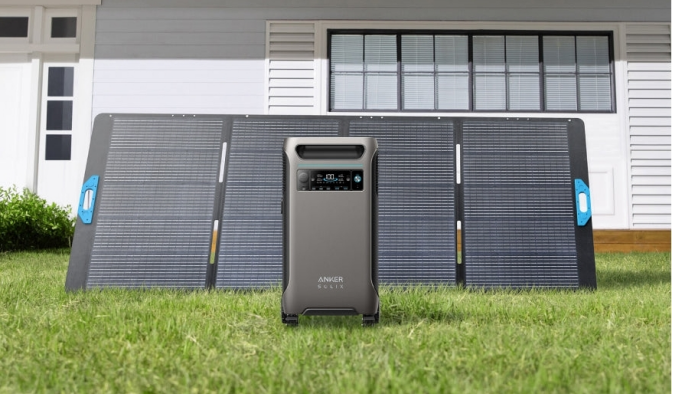
When the roof cannot hold enough panels, homeowners often consider ground mounts, carports, pergolas, or balcony railings as alternative installation areas. These solutions require open space and strategic placement but can significantly boost overall solar production. The PS400 helps illustrate how portable panels capture sunlight effectively when placed on the ground or another flat surface, reaffirming that solar generation does not need to be limited to rooftops. Its IP67 waterproof rating and rugged build further show how solar can function in varied environments, supporting backup or supplemental systems as needed.
Conclusion
Roof size plays a defining role in residential solar planning. Shape, structure, sunlight exposure, and usable square footage all determine how many panels can be installed and how much energy a system can produce. When space is limited, panel efficiency, orientation, and alternative mounting zones become essential considerations. Portable equipment such as the Anker SOLIX PS400 Portable Solar Panel helps homeowners visualize these constraints by showing how much surface area a single panel needs and how performance changes with angle, shading, and placement. Understanding these practical limitations allows families to design solar systems that match their homes’ physical realities while still capturing meaningful long-term energy benefits.