
Reliable backup power has become an important part of modern daily life. Homes now depend on electricity for heating, cooling, communication, food storage, and work-from-home equipment. Short outages can interrupt routines, while longer disruptions may affect comfort and safety. Advances in energy storage and generation have expanded the range of backup power options beyond traditional fuel-based generators. Each solution offers different levels of reliability, convenience, and long-term practicality. In this article, the most dependable backup power solutions available today are explained clearly, with a focus on how they fit into everyday home and small business use.
1. Whole-Home Battery Systems
Store solar or grid power for outages
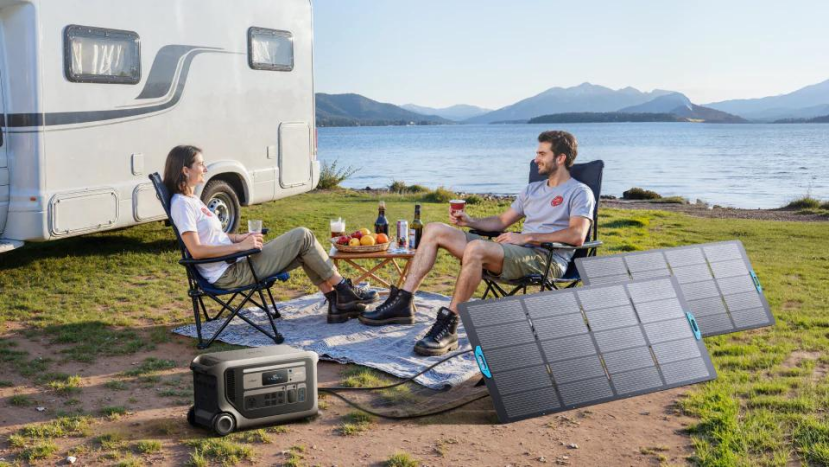
Whole-home battery systems are designed to store electricity for use when the main power supply is unavailable. These systems can charge using grid electricity, rooftop solar panels, or a combination of both. During normal operation, stored energy sits quietly in the background without affecting daily routines. When an outage occurs, the battery automatically supplies power to selected circuits or the entire home. Refrigerators, lighting, and internet equipment can continue operating without interruption. This ability to store energy in advance makes whole-home batteries a reliable option for planned and unexpected outages.
Seamless switchover and smart energy management
One of the main strengths of whole-home battery systems is their fast and seamless transition during power loss. Smart controls detect outages in seconds and switch the home to battery power without manual action. Energy management software helps prioritize essential loads to extend runtime. Many systems also optimize charging schedules to reduce electricity costs during normal operation. Performance data can usually be viewed through a simple monitoring interface. These features allow households to balance comfort, efficiency, and backup readiness with minimal effort.
2. Solar Generators (Portable Power Stations + Panels)
Quiet, renewable, and fuel-free
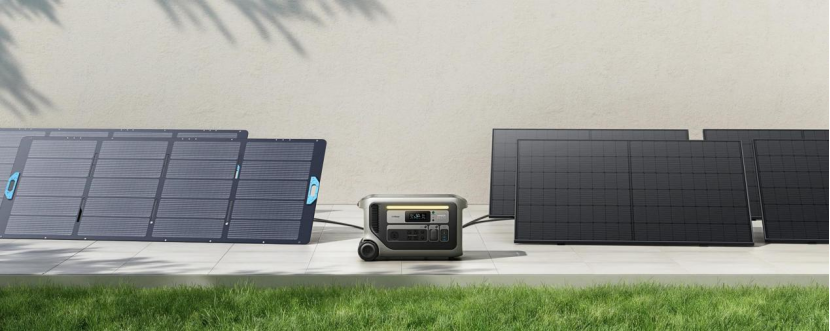
Solar generators combine portable power stations with solar panels to create a flexible backup solution. Unlike fuel-based generators, they operate quietly and produce no emissions during use. This makes them suitable for indoor operation and residential neighborhoods. Solar panels can recharge the battery during daylight hours, reducing reliance on grid electricity. For shorter outages, stored energy alone may be enough to keep essentials running. The renewable nature of solar charging adds long-term reliability without fuel storage concerns.
Easy to set up and move where needed
Portability is one of the main advantages of solar generators in everyday scenarios. These systems can be placed where power is needed most, whether in a living room, garage, or temporary workspace. Setup usually involves simple cable connections rather than permanent installation. Many households choose to pair panels with a compact solar power bank that can be recharged during the day and used at night. Options designed around durable battery chemistry and long service life, such as those commonly associated with Anker SOLIX solar power bank solutions, are often valued for their balance of mobility and reliability. This flexibility allows backup power to adapt to changing household needs instead of remaining fixed in one location.
3. Inverter Generators
More efficient and quieter than traditional generators
Inverter generators are a modern improvement over conventional fuel-powered generators. They adjust engine speed based on power demand, which improves fuel efficiency. This design also reduces noise levels, making them more suitable for residential use. Compared to older models, inverter generators produce steadier electricity output. Many units are compact enough for occasional relocation. For households that already store fuel, this option provides dependable power during longer outages.
Clean power safe for sensitive electronics
The electricity produced by inverter generators is more stable than that of traditional generators. This clean output is safer for sensitive electronics such as laptops, televisions, and medical devices. Voltage fluctuations are minimized, reducing the risk of damage. This makes inverter generators practical for homes that rely heavily on digital equipment. With proper ventilation and safety precautions, they can supply power for extended periods. Their combination of reliability and power quality makes them a strong backup option when fuel access is available.
4. Grid-Tied Solar with Net Metering
Use solar during the day, grid as backup
Grid-tied solar systems allow homes to generate electricity during daylight hours while remaining connected to the utility grid. During normal conditions, solar power can supply part or all of the home’s energy needs. When solar production is low, electricity automatically flows from the grid. This setup reduces dependence on a single energy source. Although standard grid-tied systems shut down during outages, pairing them with storage can improve resilience. The combination provides a balanced approach to daily energy use and backup planning.
Earn credits to offset grid usage at night
When solar panels produce more energy than a household uses, the excess can be sent back to the grid. Many utilities offer credits for this exported electricity. These credits help offset power drawn from the grid during nighttime hours. Over time, this exchange can reduce overall electricity costs. While not a full backup solution on its own, net metering adds financial value. It supports long-term energy planning alongside other backup systems.
5. Microgrid and Community Energy Systems
Localized power networks for resilience
Microgrids are localized energy systems that can operate independently from the main grid. They are often used in campuses, neighborhoods, or critical facilities. By generating and storing power locally, microgrids reduce exposure to widespread outages. These systems can continue operating even when the main grid is down. Their design focuses on resilience and redundancy. For communities, microgrids offer a shared approach to backup power.
Can combine solar, wind, batteries, and generators
One advantage of microgrids is their ability to integrate multiple energy sources. Solar panels, wind turbines, batteries, and generators can work together within a single system. This diversity improves reliability by reducing dependence on one technology. Energy management software balances supply and demand automatically. While complex, these systems are highly adaptable. They represent an advanced model of backup power for larger-scale applications.
Conclusion
Reliable backup power solutions now come in many forms, each suited to different needs and lifestyles. Whole-home batteries offer seamless protection for fixed residences, while solar generators provide flexible and portable support. Inverter generators remain useful for extended outages where fuel is accessible. Grid-tied solar and community energy systems add resilience through shared and renewable resources. The most dependable option depends on how power is used during everyday life and emergencies. With thoughtful planning, modern backup power solutions can support comfort, safety, and continuity when electricity matters most.